If you’re feeling under the weather, you may be worried that you’ve been infected with the Delta variant of COVID-19. However, this time of year, it could be something as innocent as an allergic reaction to grass or ragweed pollen. Below we describe how to tell the difference.
Symptoms of COVID-19
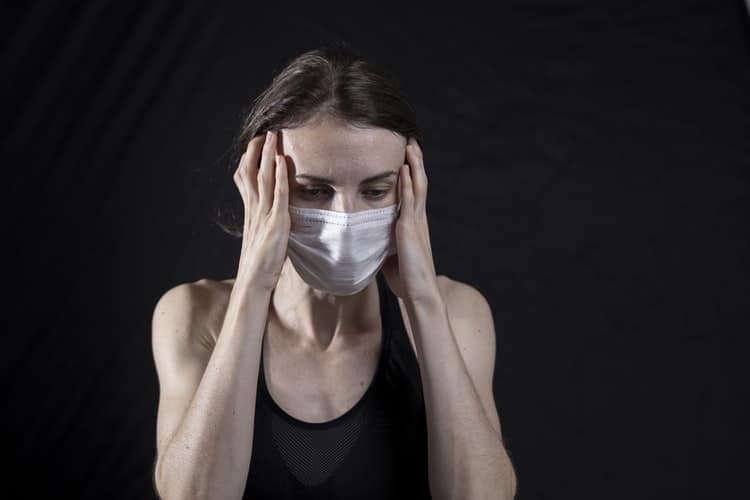
According to the Centers for Disease Control and Prevention (CDC), symptoms of COVID-19 include:
- Fever or chills.
- Cough.
- Shortness of breath or difficulty breathing.
- Fatigue.
- Muscle or body aches.
- Headache.
- New loss of taste or smell.
- Sore throat.
- Congestion or runny nose.
- Nausea or vomiting.
- Diarrhea.
This list is not exhaustive, but it does indicate the most common symptoms associated with a COVID-19 infection.
Symptoms of Allergies
In most cases, symptoms of allergies include:
- Red, itchy, watery eyes
- Congestion or runny nose
- Sneezing
- Cough caused by postnasal drip
- Rash or hives
Rarer, more severe symptoms of an allergic reaction include:
- Swelling of the lips, tongue or throat
- Shortness of breath, trouble breathing or wheezing
- Dizziness and/or fainting
- Stomach pain, bloating, vomiting or diarrhea
- Sense of “impending doom”
The latter list of symptoms is usually associated with a type of allergic reaction known as anaphylaxis, a life-threatening condition.
How to Tell the Difference
It can be hard to tell the difference between COVID-19 and allergies due to many of the symptoms overlapping. However, if you’re experiencing red, itchy, watery eyes, you likely have allergies. If you’re feverish, you likely have COVID-19.
It’s also possible to be experiencing both allergies and COVID-19 at the same time. If you’re experiencing eye discomfort, a fever and other symptoms from both lists, we recommend getting a COVID test at a Georgia approved COVID-19 testing site.
Preventing Transmission of COVID-19
If you suspect you may have COVID-19, it’s important to self-isolate until you can be tested to confirm whether you actually have the virus.
In addition, whether you have symptoms or not, you should:
- Get a COVID-19 vaccination.
- Wear a mask that covers the mouth and nose when in public areas.
- Stay at least six feet away from people outside your household.
- Avoid crowded and poorly ventilated areas.
- Wash your hands and sanitize often.
For more information or to schedule an appointment, call ENT of Georgia today.